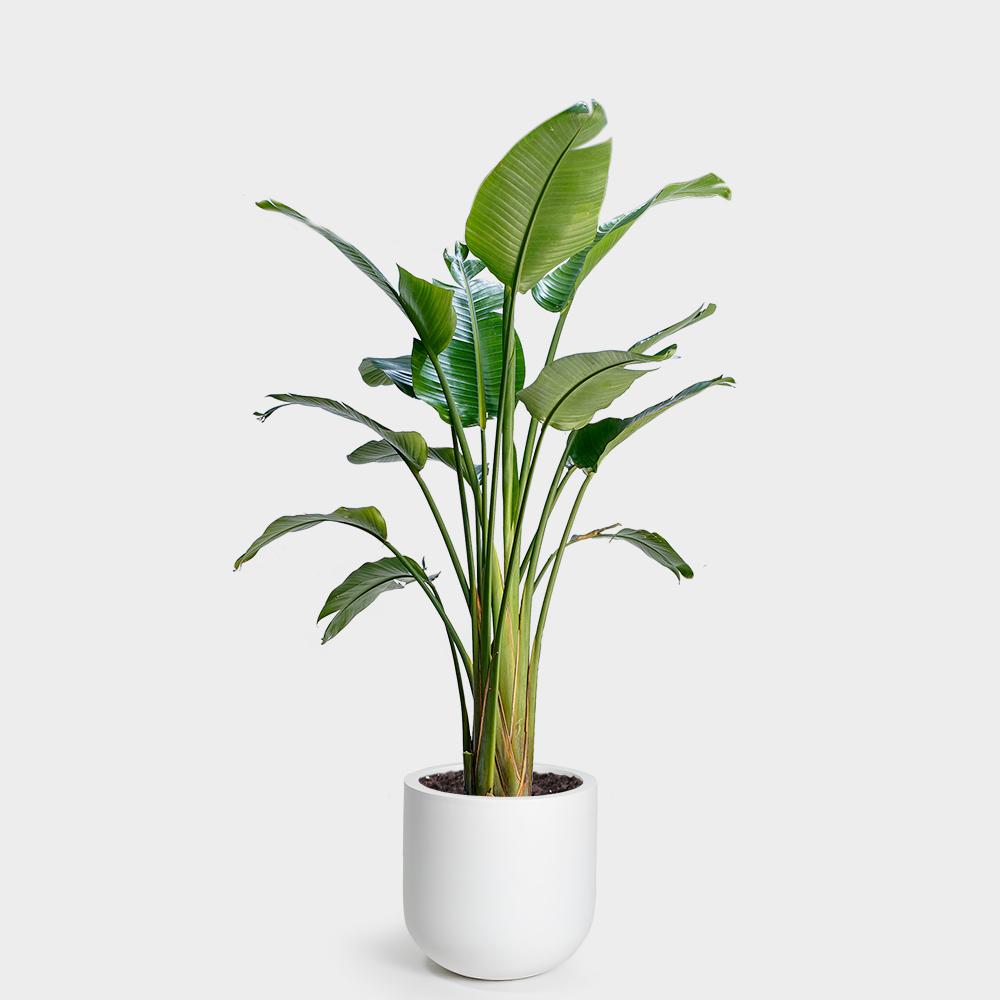
Forget pothos and snake plants, aglaonemas are the real MVP of easy to care for houseplants. These babies can survive just about anything you can throw at them. Perfect for beginners looking to start their collection.
They are native to the tropical and subtroical areas of Asia and New Guinea and are commonly referred to as Chinese Evergreens.
These plants are surperior air purifiers, the NASA Clean Air Study determined that the species modestum of this plant genus was effective at removing common household air toxins including formaldehyde and benzene.
Plant Care
LIGHT:
Bright indirect light is optimal for Aglaonemas. The brighter the light, the brighter the colors and variegation will show on the foliage. Be cautious of the strong afternoon rays during the summer season, which can cause leaf burn and damage.
WATERING:
Moderation is the name of the game here. Keep soil moist but not sogy during the growing season (Spring-Fall). Aglaonemas can stand to go dry between waterings.
TEMPERATURE:
Average indoor temperatures will suit your Aglaonema just fine.
Misting in the dry winter months will help keep your plant happy and healthy.
SOIL:
Just your everyday well draining soil mix will do the trick. Personally, I like to use Pro-mix.
GROWTH & FERTILIZING
FERTILIZING:
Fertilize once every 6 weeks with a liquid houseplant fertilizer during the growing season.

NEW GROWTH
Aglaonemas grow leaves from the center of the trunk. Though generally thought to be slow growers, I’ve found mine pushes out 1-2 new leaves a month.
UNFURLING
The young leaf starts as a bright green, and will eventually darken and grow in size.
NEW LEAF
Keep plants in bright light to maintain variegation.
They are generally low-growing plants, so their trunks will be revealed very gradually.
COMMON ISSUES
BROWNING LEAF TIPS
A common problem with Aglaonema is calling ‘tipping’ when the tips of the leaves dry out and turn brown. This can be caused by a number of ussues like overwatering or too much fertilizer. The most common cause is tap water, which contains salts, chlorine, and flouride. If you do not have a filtration system, leave tap water in an open container overnight before watering. This can help remove chlorine and flouride.
DROOPING LEAVES
The culprit is likely underwatering. If you do happen to forget to water and your soil is extremely dry, never fear.
Fill up a basin, bath tub, or sink with 3-4″ of water and let the plant soak for 45 minutes to 1 hour or until the soil is saturated to the top 3″.
YELLOWING LEAVES
The most common cause of yellowing leaves. If the gets and stays too moist the roots will start to rot. Aglaonemas don’t like “wet feet” so air on the side of underwatering if you are heavy handed with water.
0 Comments